We can't find the internet
Attempting to reconnect
Something went wrong!
Hang in there while we get back on track
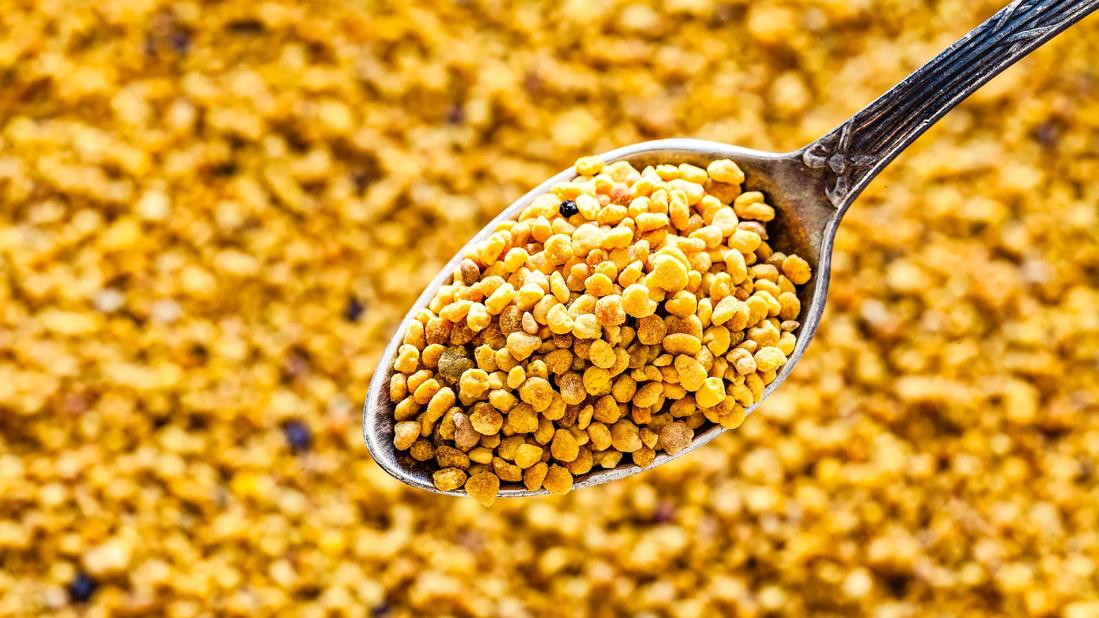
Bee Pollen: An Overview
Bee pollen is a product collected by honeybees, consisting of flower pollen, nectar, and bee saliva.[1] It is a complex mixture containing approximately 250 substances that are thought to work synergistically.[1] Bee pollen is often marketed as a functional food due to its nutritional profile and potential health benefits.[1]
According to www.iAsk.Ai - Ask AI:
Uses and Potential Benefits
Bee pollen has been used for various purposes, with some studies exploring its potential benefits, although more research is needed.[1] It has been investigated for its effects on cholesterol levels, with some animal studies suggesting it may help lower cholesterol.[1] Additionally, bee pollen has been studied for benign prostatic hyperplasia (BPH), with some small studies showing improvements in urine flow and reduced urinary retention.[1]
Furthermore, bee pollen has been linked to potential benefits in male fertility, with studies indicating positive effects on sperm production and sperm cell life, as well as reducing oxidative stress and inflammation.[1] It has also been studied for polycystic ovarian syndrome (PCOS)-related infertility, with bee products showing potential to relieve several symptoms when combined with medications or used alone.[1] Some studies have also explored its use in managing menopausal symptoms, such as hot flashes, with some relief reported in individuals undergoing antihormonal therapy for breast cancer.[1]
Bee pollen is also a source of various nutrients and antioxidants.[1] It contains vitamins, including B vitamins, vitamin A, and vitamin C, which play crucial roles in various bodily functions.[1] It also contains antioxidants like flavonoids, polyphenols, and carotenoids, which can help protect cells from damage.[1]
Nutritional Composition
Bee pollen is a rich source of nutrients, including proteins, amino acids, lipids, carbohydrates, minerals, vitamins, and polyphenols.[2] The exact composition varies depending on the plant source and environmental factors.[2] On average, bee pollen contains about 22.7% protein, including essential amino acids, and 30.8% carbohydrates, mainly glucose and fructose.[2] It also contains lipids, including essential fatty acids, and phenolic compounds like flavonoids.[2]
Safety and Precautions
While generally well-tolerated, bee pollen can cause side effects.[1] Common side effects include upset stomach and tingling sensations.[1] Severe allergic reactions are possible, especially in individuals with pollen allergies or bee sting allergies, and can include breathing difficulties, itchiness, and rash.[1] Bee pollen may also contain contaminants like pesticides, and pollen from certain plants may cause liver problems.[1]
It is not recommended for use during pregnancy or breastfeeding due to limited safety data.[1] Children should also consult with a healthcare provider before use.[1] Individuals with liver problems should also exercise caution.[1] Bee pollen may interact with medications like warfarin, potentially increasing the risk of bleeding.[1]
Dosage
There is no established standard dosage for bee pollen, and it is available in various forms, including capsules and granules.[1] It is recommended to consult with a healthcare provider to determine the appropriate dosage for individual needs.[1]
Forms and Sources
Bee pollen is available in various forms, including capsules, tablets, granules, and powders.[1] It is also found in pollen-based foods like baked goods and meat products.[1] The source of bee pollen can vary, and it is essential to consider the origin and processing methods when choosing a product.[1]
Bee pollen is a natural product with a rich nutritional profile, but its use should be approached with caution.
Sign up for free to save this answer and access it later
Sign up →